Dyslexia Assessments in Cheshire for Children and Young People
ASSESSMENTS





Common Questions
What is a dyslexia assessment?
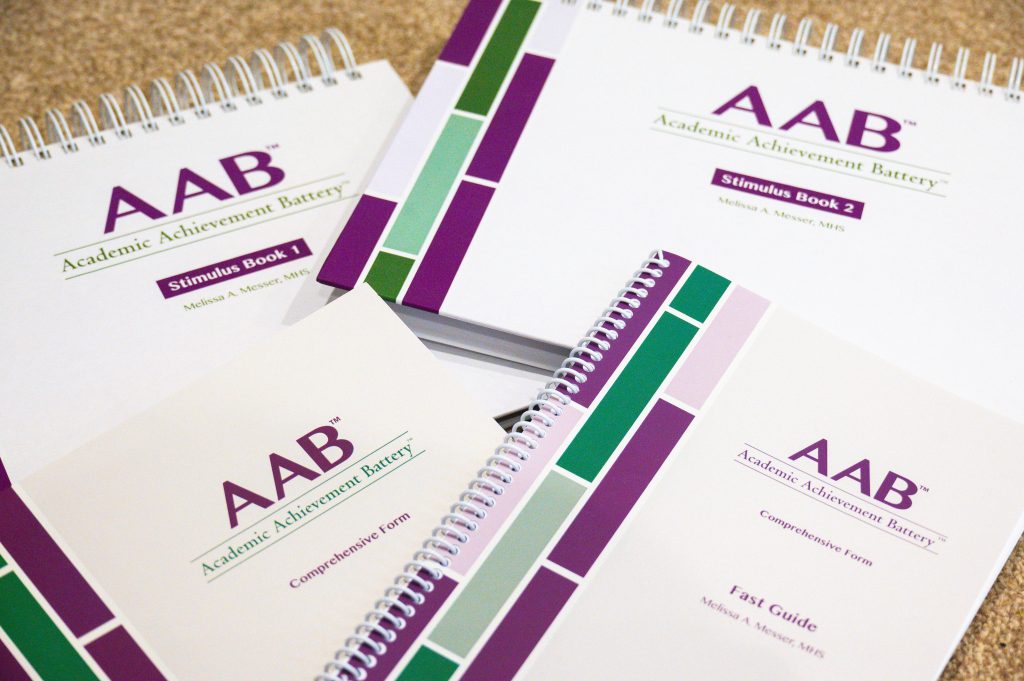
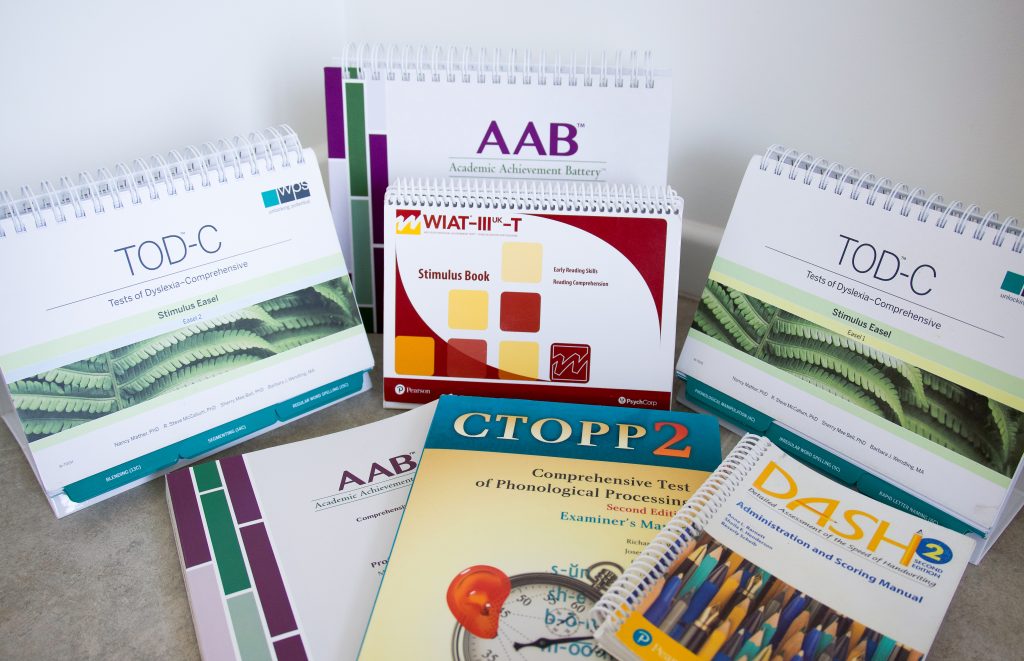
A dyslexia assessment is a detailed evaluation carried out by a qualified specialist to understand how your child learns. It looks at the necessary skills linked to reading, writing and spelling. The aim is to identify strengths and challenges and provide clear recommendations to support learning.
How do I know if my child needs an assessment?
Parents often consider an assessment if their child struggles with reading, spelling or written work despite effort. Some parents opt for an assessment as their child finds it hard to remember instructions, avoids homework or seems bright verbally but underperforms academically. Teachers may also suggest an assessment if they notice persistent literacy difficulties.
Where does the assessment take place?
Assessments usually take place face-to-face in a quiet, comfortable environment, such as the individual’s place of learning or the family home.
How long does the assessment take?
Most assessments last between 2–4 hours. Breaks can be given and the assessor will work at your child’s pace and make sure they feel comfortable throughout.
What happens after the assessment?
You’ll receive a detailed written report, which will go through the findings from the assessment. The report will confirm whether dyslexia has been diagnosed. Regardless of outcome, recommendations are provided to help support the individual with their future learning.
Can the report be used at University to apply for Disabled Students’ Allowance (DSA)?
Yes – all of our assessors have an up-to-date APC (Assessment Practising Certificate) so all reports can be used in support of DSA applications.
My child has ADHD and/or Autism — can you still support them?
Absolutely. Many children with ADHD and/or Autism also experience literacy differences. Our assessors will adapt the assessment process to meet your child’s needs by allowing extra breaks and considering overlapping learning profiles. We will work with you to ensure that your child’s needs are met.
Will my child be labelled or stigmatised?
An assessment is designed to support, not label. Many families find that understanding their child’s learning style boosts confidence, improves self-esteem and helps schools put the right support in place.
How should I prepare my child for the assessment?
Keep it simple and positive – explain that they’ll be doing word games and activities to help understand how they learn best. Make sure they’re well rested, have eaten beforehand and bring glasses or hearing aids if they use them.
What are the benefits of getting a diagnosis?
A diagnosis can help schools provide appropriate support, exam access arrangements and tailored teaching strategies. It also helps parents and children better understand learning differences and access future support, including university accommodations if needed.